Things to Think Through Before Buying a Persian Kitten
There's something undeniably magical about a Persian kitten—those big, expressive eyes, that cloud of silky fur, and a gentle personality that melts your heart. But as enchanting as they are,
bringing a Persian kitten into your home is a commitment that deserves careful thought and honest preparation. These aren't low-maintenance cats, and understanding what goes into their care before you fall head-over-heels will help you build a happy, lasting bond with your new family member. Here's what you should think through before taking the leap.
Table of Contents
Key Takeaways
| Point | Details |
|---|---|
| Breeder Selection Matters | A CFA-accredited breeder who socializes kittens from birth and provides veterinary health records makes all the difference in your kitten's long-term health and temperament. |
| Health Awareness Is Essential | Understanding breed-specific health needs—from respiratory sensitivities to general wellness—is important before buying so you can provide the best care from day one. |
| Grooming Is a Daily Commitment | That gorgeous, flowing coat requires daily brushing to stay mat-free and healthy. Well-bred lines tend to have minimal eye drainage, keeping grooming manageable. |
| Budget Beyond the Purchase Price | From veterinary care and grooming supplies to quality nutrition, the ongoing cost of owning a Persian extends well beyond the initial kitten price. |
Choosing a Reputable Breeder
This is hands down the most important decision you'll make in the entire process. The breeder you choose shapes everything—your kitten's health, temperament, socialization, and the support you'll receive long after you bring your new baby home. A responsible breeder doesn't just produce kittens; they invest deeply in the well-being of every cat in their care.
So what should you actually look for? Focus on how the breeder raises their cats and kittens. A quality cattery with Cat Fanciers' Association (CFA) accreditation has met established standards for breeding practices and animal welfare—that's a strong starting point. Beyond accreditation, pay attention to how the breeder communicates with you. Do they ask about your living situation, your experience with cats, and whether your home is a good fit? That's a wonderful sign. A breeder who cares about where their kittens end up is a breeder who cares about their kittens, period. If someone seems more interested in closing a sale than getting to know you, that's a red flag.
It's worth noting that in the Persian cat world, many breeders don't normally provide pedigrees with their kittens. This has become increasingly common because responsible breeders work hard to protect their breeding lines they have invested in. So don't assume a breeder is less reputable simply because they don't hand over a pedigree at the time of sale—what matters far more is the health, socialization, and overall quality of the kitten you're bringing home.
Socialization is another critical piece. Kittens who are handled gently and frequently from birth grow into confident, affectionate adults. By the time a kitten is ready to go home—typically around ten to twelve weeks—they should be eating independently, litter trained, and comfortable being held. A breeder who takes pride in their process will be happy to share every detail about how their kittens are raised.
Pro tip: Ask your breeder for references from previous kitten buyers. Happy families who've already been through the experience can give you honest insight into what to expect—and a great breeder will have plenty of glowing reviews to share.
Understanding Persian Health Considerations
Persians are a beloved breed with a long and storied history, but like all purebred cats, they come with certain health considerations you should understand upfront. Being informed doesn't mean being scared—it means being prepared to give your kitten the best possible care.
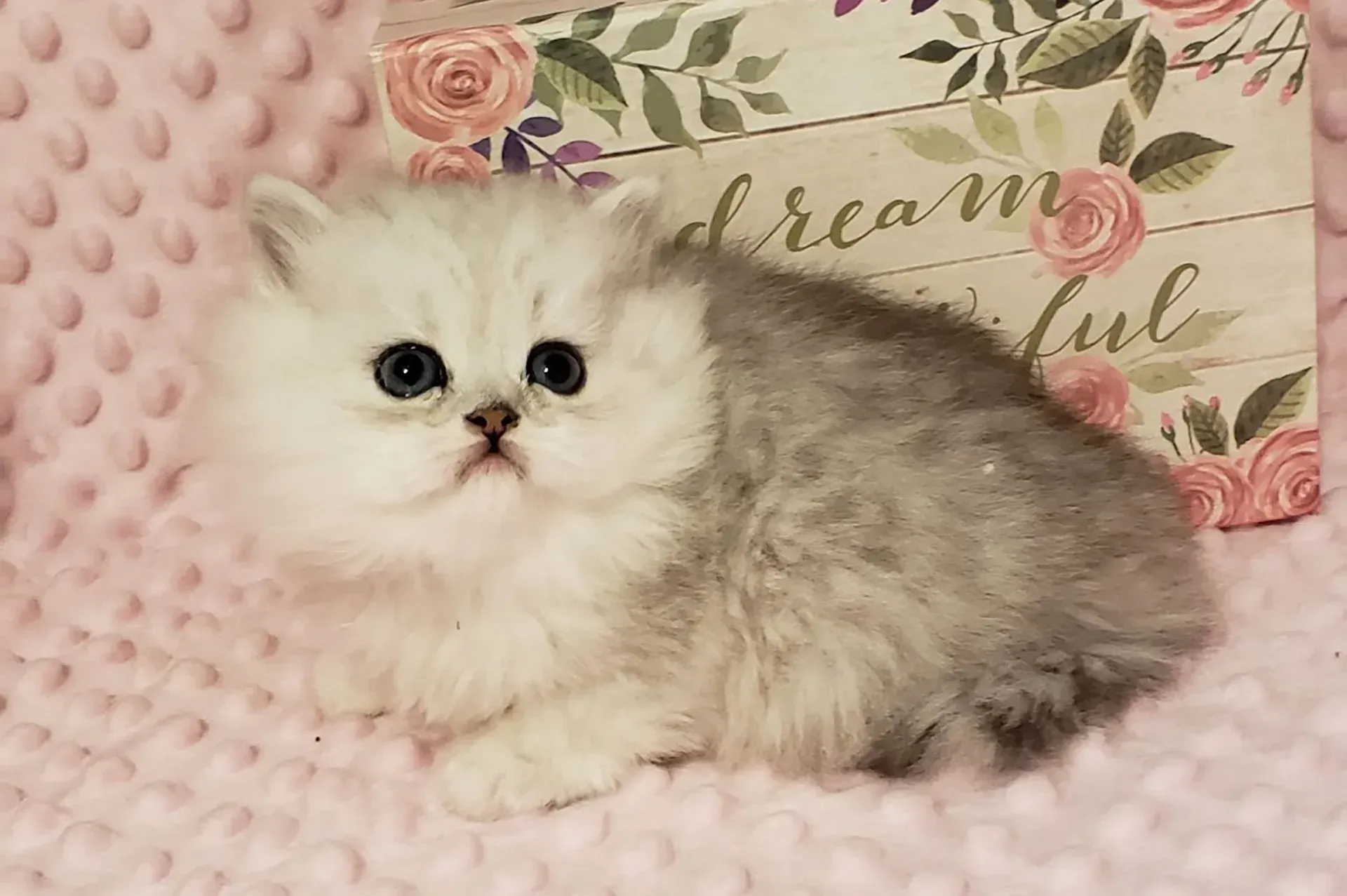
One of the most common areas to be aware of involves respiratory sensitivities. Persians—especially those with flatter facial structures—can occasionally experience breathing difficulties or sensitivity to heat due to their shorter nasal passages. Doll-faced Persians, which have a more traditional and moderate facial structure, tend to experience fewer of these complications while still carrying all the charm the breed is known for. Either way, keeping your Persian in a comfortable indoor environment with good air circulation goes a long way toward keeping them happy and healthy.
When you bring your kitten home from a quality breeder, your kitten should come with a printed health record from the breeder's veterinarian documenting the examinations and vaccinations your kitten has received. A good veterinarian will also include anecdotal notes at the bottom of the record confirming the kitten is healthy—this gives you valuable peace of mind from day one. Routine veterinary checkups, proper nutrition, and attentive at-home care will keep your Persian thriving for years to come. Persians typically live twelve to seventeen years, so making sure your kitten starts life healthy sets the foundation for a long and loving companionship.
Pro tip: Review your kitten's health record carefully when you receive it, and schedule a wellness visit with your own veterinarian within the first week of bringing your kitten home to establish a relationship and baseline for ongoing care.
The Grooming Commitment
Let's be real—one of the biggest reasons people fall in love with Persians is that stunning, luxurious coat. But that beautiful fur doesn't maintain itself. If you're not ready for a consistent grooming routine, a Persian kitten might not be the right match. The good news? Once you build grooming into your daily rhythm, it becomes a bonding experience you'll both enjoy.
Daily brushing with a wide-toothed comb is essential to prevent matting and tangles, especially around the chest, behind the ears, and under the legs. Regular brushing also helps distribute natural oils, keeping the coat shiny and healthy. You may have heard that Persians require constant eye cleaning due to heavy tearing, but this largely depends on the breeding lines. Well-bred doll-faced Persians from quality bloodlines tend to have minimal eye drainage, which means less stress for both you and your kitten. A quick, gentle wipe around the eyes as part of your daily routine is typically all that's needed to keep things tidy.
Bathing is typically needed every few weeks to a couple of months. Regular nail trimming, ear cleaning, and dental care round out the full grooming picture. Starting a grooming routine while your Persian is still a kitten makes all the difference—kittens introduced to brushing and bathing early grow up cooperative and relaxed during grooming. For trusted product recommendations and tips, Purse Persians' care guide offers helpful guidance developed through years of hands-on experience.
Pro tip: Invest in quality grooming tools from the start—a sturdy wide-toothed comb and a gentle slicker brush will become your daily essentials and make the grooming process smoother for both you and your kitten.
Lifestyle Fit and Home Environment
Persians are calm, gentle, and affectionate cats who thrive in peaceful indoor environments. They're not the type to scale your curtains or launch themselves off the kitchen counter. Instead, they prefer a cozy spot on the couch, a sunny windowsill, or a warm lap—yours, ideally. This easygoing nature makes them wonderful companions for families, couples, singles, and seniors alike
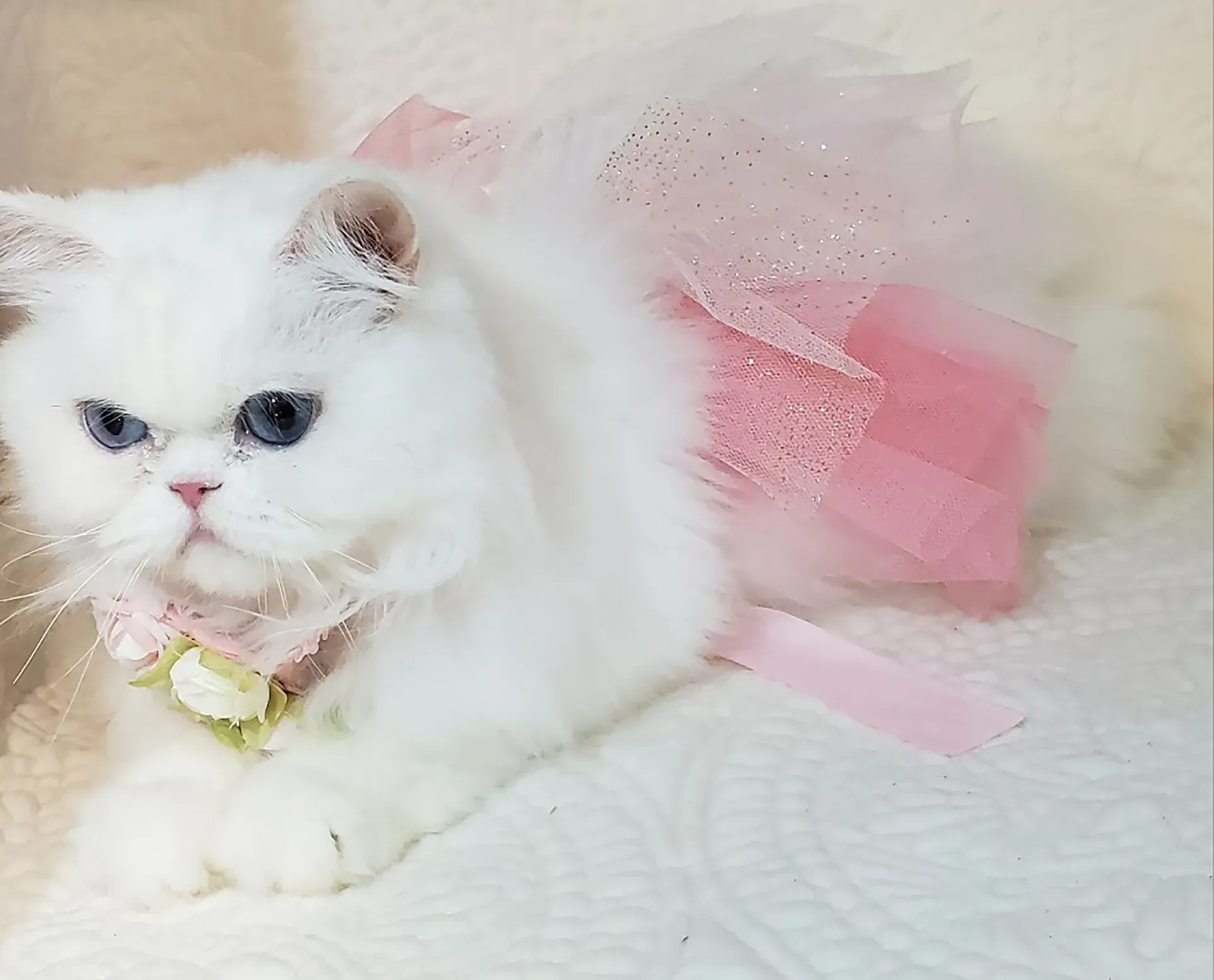
If you have young children or energetic dogs, that doesn't automatically rule out a Persian—but you'll want to create a safe, quiet space where your kitten can retreat and recharge. Persians appreciate routine and can feel stressed by constant noise or unpredictable activity. A dedicated area with a comfortable bed, fresh water, a clean litter box, and some engaging toys gives your kitten a sense of security from day one. Since Persians are indoor cats by nature, you'll also want to kitten-proof your home: tuck away electrical cords, remove small objects from the floor, and get rid of any toxic plants.
One thing that often surprises new owners is just how social and communicative Persians can be. They may be laid-back, but they genuinely crave your attention and affection. If your schedule keeps you away from home for long stretches, consider whether a second cat might provide welcome companionship while you're out. To learn more about the personality of this wonderful breed, Purse Persians' breed overview is a great place to start.
Pro tip: Set up your kitten's space before they arrive home—having their bed, litter box, food and water dishes, and a few toys ready in a quiet room helps them adjust to their new environment with minimal stress.
Budgeting for Your Persian Kitten
Bringing a Persian kitten into your life is an investment, and it's important to plan for both upfront costs and ongoing expenses. The purchase price of a well-bred kitten from a CFA-accredited cattery reflects the breeder's investment in veterinary care, quality nutrition, socialization, and years of breeding expertise. While you may find lower-priced kittens online, those savings often come with hidden costs in the form of health problems or a lack of breeder support.
Here's a snapshot of what to budget for over your Persian's lifetime:
| Expense Category | What to Expect |
|---|---|
| Veterinary Care | Annual checkups, vaccinations, spay/neuter, and dental cleanings. Budget for unexpected visits too. |
| Grooming Supplies | Quality combs, brushes, shampoo, and nail clippers. Small recurring costs that add up. |
| Nutrition | High-quality cat food formulated for Persian nutritional needs. Avoid cheap fillers—your cat's coat and health depend on it. |
| Litter and Supplies | Quality litter, a good litter box, scratching posts, toys, and a comfortable bed. |
| Pet Insurance | Optional but recommended, especially given breed-specific health considerations. Helps offset major vet bills. |
Owning a Persian is not an inexpensive endeavor—but the joy, companionship, and love you'll receive in return is immeasurable. Planning your budget honestly from the start means you'll never have to compromise on your kitten's care.
Pro tip: Set aside a small monthly amount in a dedicated "kitten fund" before your Persian even arrives—this builds a financial cushion for veterinary visits, grooming needs, and any surprises that come with being a new cat parent.
Ready to Welcome a Persian Kitten Into Your Life?
Buying a Persian kitten is one of the most rewarding decisions you can make—when you go into it prepared. From choosing a caring breeder to understanding the grooming, health, and lifestyle commitments, a little preparation goes a long way toward a lifetime of love. At Purse Persians, we raise every kitten with devotion and attention in our CFA-accredited cattery, producing healthy, beautifully socialized doll-faced Persians ready to become the heart of your home.
Visit Purse Persians to see our available kittens, learn more about our cattery, or join our 2026 waiting list. Have questions? Reach out—we're always happy to chat about all things Persian!
Frequently Asked Questions
What should I look for in a Persian kitten breeder?
Look for CFA accreditation, a clean and loving environment, strong socialization practices, and a willingness to answer all your questions. A great breeder will also want to learn about you and your home. Don't be concerned if a breeder doesn't provide registration papers—many reputable Persian breeders choose not to in order to protect their bloodlines.
How much grooming does a Persian kitten need?
Persians require daily brushing to prevent matting. Well-bred lines typically have minimal eye drainage, so a quick daily wipe is usually sufficient. Regular bathing, nail trimming, and ear cleaning are also part of the routine.
Are Persian cats good with families and children?
Yes, Persians are gentle and affectionate. They do best in calm environments, so families with young children should ensure there's a quiet space where the cat can retreat.
What health considerations should I know about for Persian cats?
Persians can experience respiratory sensitivities, particularly flat-faced varieties. Doll-faced Persians tend to have fewer of these issues. Regular veterinary checkups and proper nutrition help keep your Persian healthy throughout their life.
How do I get my own Persian kitten?
The best way to bring home a Purse Persians kitten is to join the Purse Persians Kitten Waiting List. Our kittens go quickly, so getting on the list early gives you the best chance of being matched with the perfect kitten for your family. Once you're on the list, we'll keep you updated on upcoming litters and help guide you through the entire process.
Recommended